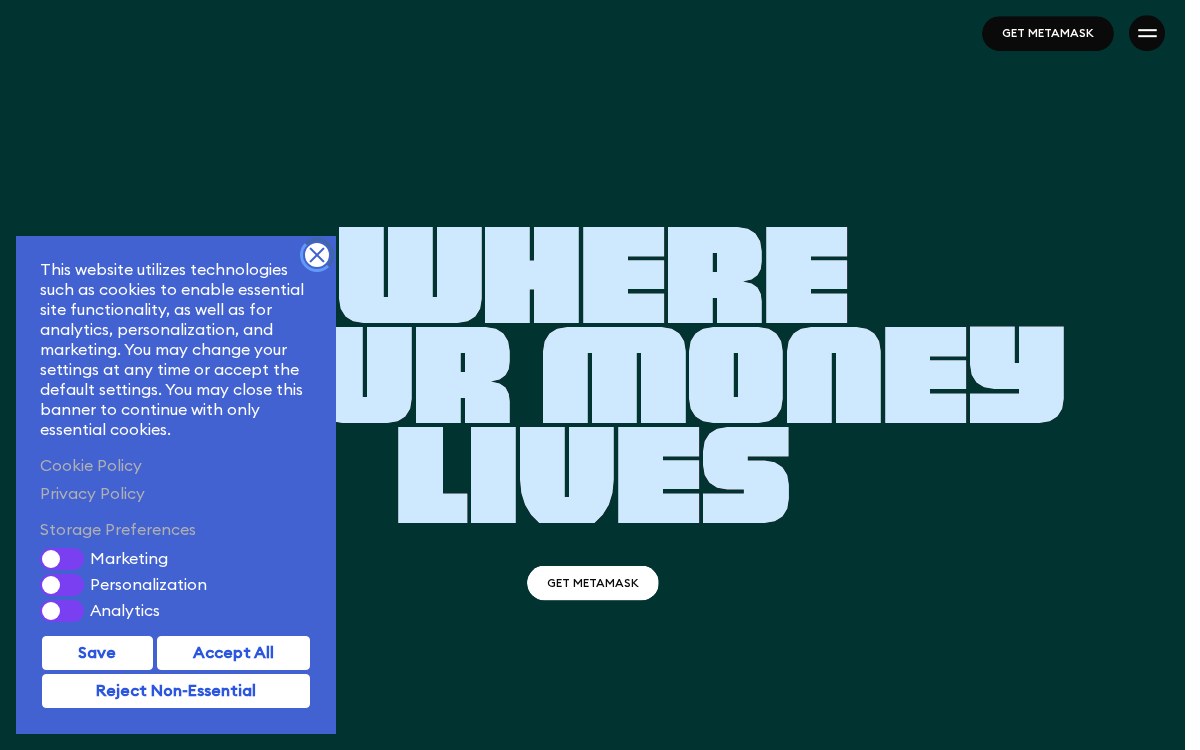
We tested the MetaMask extension and mobile app over three weeks against a mix of decentralised exchanges, lending markets, NFT marketplaces and two layer two bridges, and paired the extension with a hardware wallet for signing.
Compatibility is the reason to use it. Every application we tried connected on the first attempt, and network additions for less common chains resolved without manual RPC entry in most cases.
Transaction clarity is where the wallet still disappoints. Simulations have improved and now flag obvious balance changes, but a complex contract call is frequently presented in terms a non-technical user cannot evaluate. Competitors have moved further on human-readable signing.
In-wallet swaps are convenient and consistently not the best price. MetaMask charges a service fee above the routed quote; users trading meaningful size should route through an aggregator directly.
Hardware wallet pairing worked reliably throughout testing, which matters because that combination — MetaMask as interface, hardware device as signer — is how most experienced users hold value on EVM chains.
The interface has accumulated promoted tiles and upsells that a security-critical tool does not need. It is annoying rather than dangerous.
MetaMask keeps its place as the default recommendation for broad application access, with the caveat that users should swap elsewhere and read every signature request carefully.
Disclosure: testing used newsroom funds on a standard free account. No compensation was received.